English
  العربية
  中文
中文
 Deutsch
 Türkçe

 日本語
日本語
Harbor Lighting Upgrades: Engineering High-Reliability Solutions for Complex Port Environments
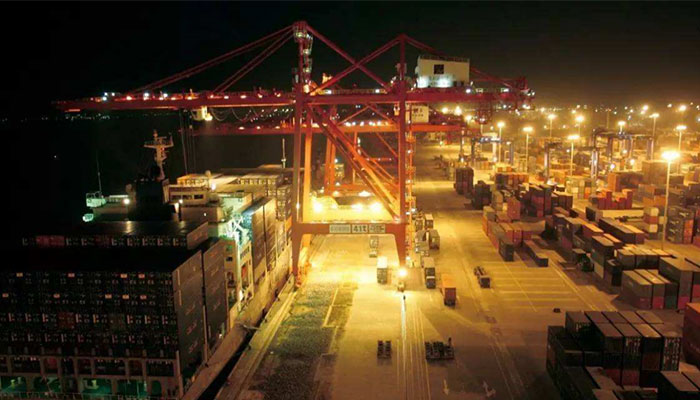
Harbors and ports serve as the vital arteries of global trade. However, these facilities operate under some of the most demanding environmental and operational conditions on earth. From massive container terminals to specialized bulk, grain, and oil berths, the geographical constraints and 24/7 nature of port operations demand a lighting infrastructure that is as resilient as it is efficient.
As many ports move toward infrastructure modernization, the focus has shifted from simple illumination to comprehensive, high-reliability lighting upgrades. For facility managers and engineers, selecting the right quality LED flood lights is not just about lumen output; it is about ensuring long-term operational continuity in environments where failure is not an option.
1. Understanding the Port Environment: A Unique Engineering Challenge
Unlike standard industrial sites, ports present a specific set of challenges that dictate the requirements for any lighting installation. The combination of salt spray, high humidity, wind pressure, and constant vibration requires equipment designed for extreme endurance.
Furthermore, the diversity of port operations—ranging from liquid gas and refined oil berths to heavy-duty bulk grain and container terminals—means that lighting must be versatile. Because the number of global ports is essentially fixed, modernization efforts are primarily focused on the "replacement market." This requires new systems to integrate seamlessly with existing high-mast infrastructure while offering significant improvements in efficiency and safety.
2. Key Technical Requirements for Modern Harbor Lighting
To ensure that an upgrade meets the rigorous standards of international port operations, facility managers must look for lighting solutions that address specific physical and operational hurdles.
| Requirement | Why It Matters for Port Infrastructure |
|---|---|
| Corrosion Resistance | Prevents degradation from constant salt spray exposure |
| Vibration/Wind Resistance | Ensures stability on high-mast poles during storms and operations |
| Operational Safety | Enhances visibility to prevent accidents in busy container berths |
| Energy Efficiency | Reduces the massive power consumption of 24/7 port lighting |
| Color Temperature | Maintains visual consistency with traditional HPS for transition ease |
3. The Critical Role of High-Reliability LED Systems
When evaluating potential LED flood light manufacturers, facility managers must prioritize systems that offer a "system-level" approach to reliability. A light is only as reliable as its weakest component. In the marine-adjacent conditions of a port, this means paying close attention to material science, thermal management, and sealing technology.
High-reliability systems are characterized by their ability to maintain performance over years of operation, regardless of the ambient temperature or environmental stressors. By choosing quality LED flood lights, ports can significantly lower their Total Cost of Ownership (TCO). This is achieved not just through reduced energy bills, but by minimizing the need for expensive, high-altitude maintenance—a critical factor when considering the height of port lighting masts.
4. HPWINNER’s Engineering Approach to Port Infrastructure
At HPWINNER, we recognize that the harbor environment is an extreme testing ground for any luminaire. We have developed our engineering processes to specifically address the needs of port authorities and terminal operators.
For those looking to explore our latest designs, we invite you to browse our full range of LED lighting solutions, specifically engineered to perform in complex industrial settings.
Our approach to harbor lighting is built on three pillars of durability:
Material Integrity: We utilize robust housing materials and surface treatments designed to resist the corrosive effects of marine salt spray, ensuring the longevity of your investment.
Structural Resilience: Our designs undergo rigorous testing to ensure they can withstand high wind loads and the continuous mechanical vibration present at busy container and bulk berths.
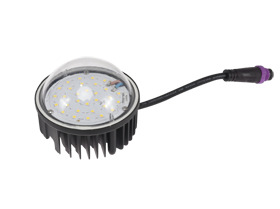
Modular Efficiency: We believe in smarter maintenance. Our modular light engine designs allow for targeted servicing, which is essential for projects where minimizing downtime is a priority.
We collaborate closely with port engineers to ensure that our transition solutions match the visual comfort and color temperature requirements that teams are accustomed to with legacy high-pressure sodium (HPS) systems.
5. Strategic Considerations for Port Lighting Upgrades
Successfully upgrading port infrastructure requires a strategic view of the entire lifecycle of the lighting equipment. Beyond the product specifications, project managers should prioritize manufacturers who provide comprehensive support and engineering documentation.
Ensuring that your new lighting system complies with international industry standards is non-negotiable. Furthermore, working with established LED flood light manufacturers who provide detailed photometric data helps ensure that the light is directed exactly where it is needed—improving safety in container berths while minimizing light spill. By selecting quality LED flood lights that integrate modular designs, port authorities are not just replacing a lamp; they are investing in a flexible, future-proof infrastructure.
Conclusion
Upgrading a harbor’s lighting infrastructure is a strategic move that affects safety, operational efficiency, and long-term budget management. By moving away from commodity products and investing in high-reliability solutions, port operators can transform their nighttime efficiency while mitigating the risks associated with harsh marine environments.
The future of port lighting lies in engineering that prioritizes reliability over mere convenience. By partnering with experienced manufacturers who understand the nuances of container, bulk, and liquid berths, port authorities can build a safer, more sustainable foundation for global trade.
If you are currently planning a lighting upgrade for your port facility or require a technical consultation regarding specific berth requirements, please contact our expert team today. We are ready to assist you in designing a solution that meets the unique demands of your infrastructure.
Frequently Asked Questions (FAQ)
1. Why is corrosion resistance the most critical factor for harbor lighting?
Ports are constantly exposed to salt spray, which is highly corrosive. Without specialized housing materials and surface treatments, metal components will degrade rapidly, leading to seal failure and internal damage to the electronics.
2. How do LED flood lights compare to traditional HPS lamps for port use?
LEDs offer significantly higher luminous efficiency and longer operational lifespans. Modern LEDs can be engineered to match the color temperature of traditional HPS lamps, allowing for a smooth transition that maintains visual familiarity for port staff.
3. What makes a lighting system "high-reliability" for port applications?
A high-reliability system must be designed for the specific environment: it requires IP-rated protection against moisture and dust, mechanical designs that resist vibration, and thermal management that prevents overheating in high-temperature industrial settings.
4. Can LED systems be easily installed on existing port high masts?
Yes. Professional lighting manufacturers design retrofit solutions that are compatible with existing high-mast pole infrastructure, often using modular components to ensure that the installation process is as efficient as possible.
Related HPWINNER LED Lights Recommendations