English
  العربية
  中文
中文
 Deutsch
 Türkçe

 日本語
日本語
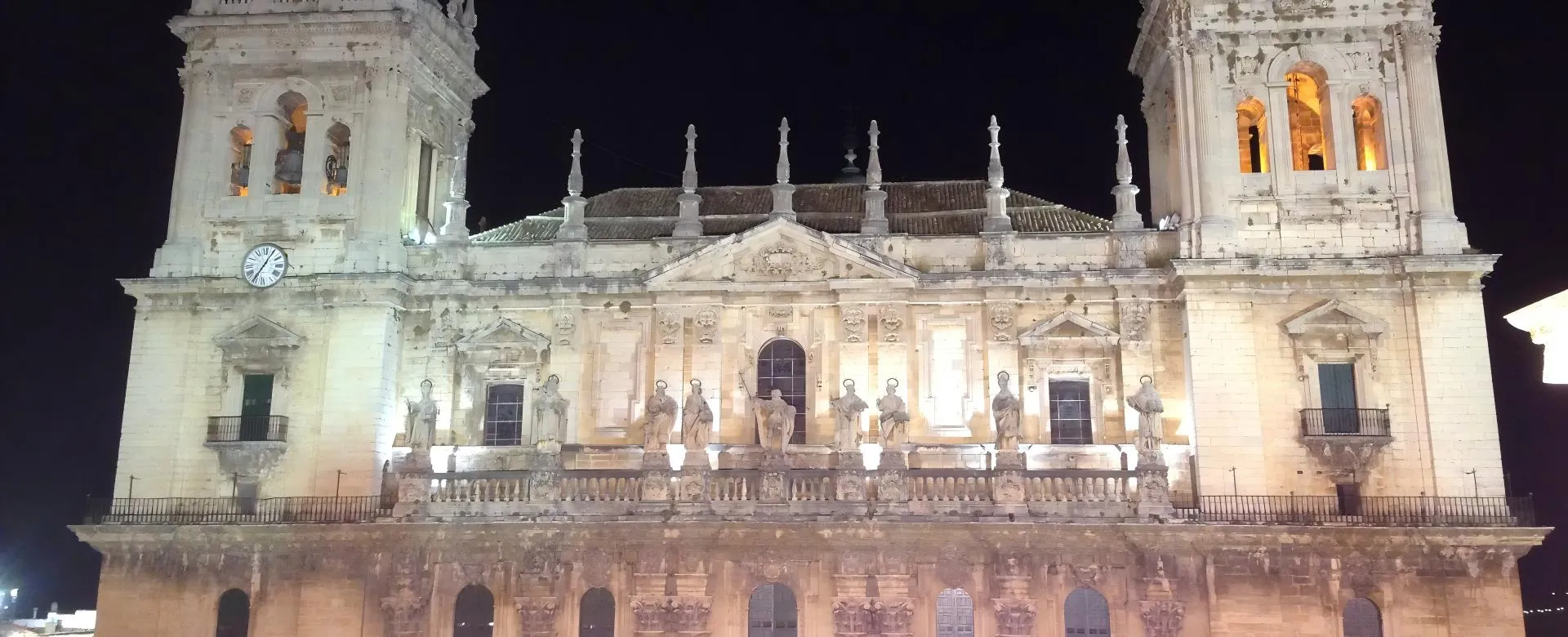
Compact Outdoor Floodlighting for Facades, Billboards, Gardens, Parks and Perimeter Areas
How to Choose LED Flood Lights for Outdoor Projects
There is no single LED flood light configuration suitable for every outdoor project. A high-mast logistics yard, an airport apron, a container terminal, a football stadium and a wall-mounted billboard may all use floodlights, but they require very different lumen packages, optical distributions, aiming strategies and product structures.
Professional floodlight selection should therefore begin with the actual application, visual task and site conditions. Wattage is the result of the lighting design—not the starting point.
1. Define the Application and Visual Task
The first step is to identify what must be illuminated and what people need to see or do within the space.
High-mast and large-area lighting: Requires long-distance projection, wide coverage and stable illumination from elevated mounting heights. Typical applications include logistics yards, toll plazas, industrial sites and large parking areas.
Airport apron lighting: Must support aircraft servicing, vehicle movement and personnel activity while controlling shadows and direct glare toward pilots and ground crews.
Harbor and port lighting: Must provide both ground and vertical visibility around containers, cranes, vehicles, berths and loading areas while operating in corrosive coastal environments.
Sports and stadium lighting: Must support players, officials, spectators and cameras, with requirements for horizontal and vertical illuminance, uniformity, glare control, flicker performance and spill-light limitation.
Wall-mounted and near-field lighting: Focuses on controlled illumination of facades, billboards, gardens, landscape features and defined perimeter areas from relatively short projection distances.
2. Provide the Site and Installation Conditions
Accurate product selection requires more than the total area. The project information should include site dimensions, pole or mounting positions, installation height, setback distance, luminaire quantity limitations, surrounding obstructions and maintenance access.
For example, container stacks may block light in a port, aircraft may create large shadow zones on an apron, and a wall-mounted luminaire may produce a bright hotspot if it is installed too close to the illuminated surface. These conditions directly affect optical selection and aiming.
3. Confirm the Required Lighting Performance
The required performance depends on the application and applicable project standard. Important criteria may include maintained illuminance, uniformity, vertical illuminance, glare limitation, flicker performance, colour rendering, colour temperature and spill-light control.
These criteria should not be reduced to one universal lux value or one fixed colour temperature. A public parking area, a televised stadium and an airport apron perform different visual tasks and must be evaluated separately.
4. Match Wattage, Optics and Aiming Together
Floodlight wattage cannot be selected independently from the optical distribution. A high-power floodlight with unsuitable optics may waste light outside the target area, create excessive overlap or leave dark zones between beams.
HPWINNER evaluates the required projection distance, coverage width, mounting height and target area before matching the lumen package, optical distribution and aiming angle. Narrow distributions may be used for long-distance projection, while medium or wide distributions may be selected for nearer zones and broader coverage.
5. Evaluate the Operating Environment
Outdoor floodlights may be exposed to high ambient temperatures, rain, dust, humidity, salt spray, strong wind, vibration, lightning risk and unstable power grids. The required LED light engine protection, luminaire construction, surface treatment, bracket material, surge protection and electrical configuration should be selected according to the actual environment.
Coastal ports, open industrial yards and wall-mounted building applications do not face the same environmental risks, so a single protection configuration should not be applied automatically to every project.
6. Consider Maintenance and Control Requirements
Maintenance strategy becomes especially important when floodlights are installed on high masts, terminal structures or other difficult-access positions. Modular light engines, practical component replacement, stable brackets and accessible electrical compartments can reduce service time and lifecycle maintenance difficulty.
Where required, dimming or lighting-control functions should also be confirmed during product configuration rather than added after installation.
7. Verify the Configuration Through Photometric Simulation
Customers can provide HPWINNER with the site drawing, application information, mounting positions, installation heights and required lighting performance. Our technical team then performs photometric simulation and evaluates coverage, uniformity, glare risks, shadow zones and potential light spill.
The final recommendation can include suitable floodlight models, wattages, quantities, optical distributions, aiming angles and installation notes. This project-based process helps avoid oversizing, insufficient coverage and inappropriate optical selection before products are ordered and installed.
.webp "From Reactive Repairs to Proactive Protection: How AI-Powered Roadway Lights Respond to Voltage Abnormalities")