English
  العربية
  中文
中文
 Deutsch
 Türkçe

 日本語
日本語
The Critical Role of Thermal Management: How PCB Materials Impact the Lifespan of Your LED High Mast Flood Light
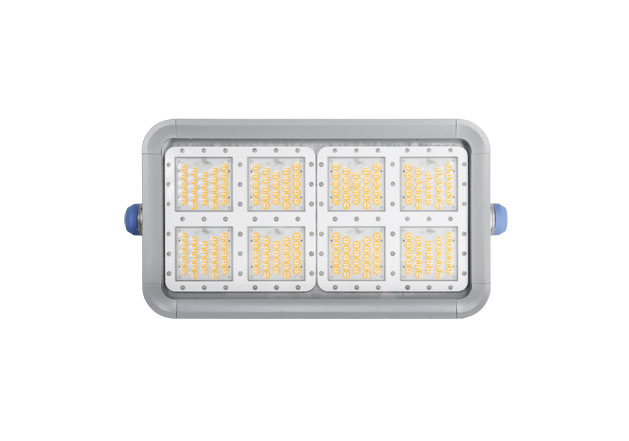
In the world of industrial and commercial infrastructure, the high mast flood light is the workhorse of the night. Whether illuminating vast airport aprons, busy logistics hubs, or expansive sports stadiums, these powerful lighting systems are expected to perform flawlessly under grueling conditions.
However, beneath the rugged exterior and the bright illumination of a high mast LED flood light lies a silent struggle: the battle against heat. In high-power outdoor lighting, heat is the primary enemy of longevity. While many project managers focus on lumens and wattage, the true secret to a long-lasting lighting installation is thermal management—and specifically, the choice of the printed circuit board (PCB) material that anchors the system.
Why Thermal Management Determines ROI
For any organization investing in large-scale infrastructure, the Total Cost of Ownership (TCO) is a critical metric. When a high mast flood light fails prematurely, the cost isn't just the price of a replacement lamp; it includes the significant expense of specialized equipment, such as cherry pickers or cranes, and the labor required to perform maintenance at great heights.
A well-engineered high mast LED flood light should operate with minimal light degradation over several years. Thermal management is the "system-level" strategy used to ensure that the heat generated by the LED chips is effectively moved away from the sensitive electronic components and dissipated into the environment.
The Silent Foundation: The Role of PCB Materials
At the heart of the light module sits the PCB. This is where the LED chips are mounted. Because this board is the first point of contact for the heat generated by the LEDs, its material composition is paramount.
In high-performance lighting, we rely on a system-level approach to heat dissipation. High-quality boards act as a thermal bridge, conducting heat away from the chips and toward the luminaire housing, which serves as a massive radiator. If the material of the PCB lacks efficient thermal conduction, the heat "bottlenecks" at the junction, leading to a phenomenon known as thermal stress. Over time, this stress accelerates the chemical degradation of the LED, leading to noticeable "lumen depreciation"—where the light gets dimmer—or total system failure.
Thermal Performance Overview
| Component/Feature | Role in Thermal Management | Impact on High Mast LED Flood Light Longevity |
|---|---|---|
| Metal Core PCB | Rapid heat conduction from LED chips | Prevents overheating and reduces light decay |
| Die-cast Housing | Large surface area for heat radiation | Ensures stable operation in high ambient temperatures |
| Modular Design | Allows for independent thermal airflow | Improves reliability and eases maintenance |
| IP68 Sealing | Protects internal circuits from moisture/corrosion | Extends operational life in harsh outdoor environments |
The Impact of Environmental Factors on High Mast LED Flood Light Cooling
While the internal PCB material acts as the primary thermal bridge, the external environment plays a massive role in the performance of your lighting system. A high-power high mast flood light installed in a seaside location or a high-altitude industrial zone faces distinct thermal challenges compared to one in a temperate region.
In coastal areas, high humidity and salt spray can cause oxidation on traditional light housings, which acts as an insulator, trapping heat inside. This is why professional-grade high mast LED flood light systems, such as those produced by HPWINNER, utilize specialized housing materials and surface treatments that maintain excellent radiation characteristics over time.
Furthermore, heat dissipation is not just about conduction; it is about the ability of the luminaire to transfer that heat to the ambient air. In dense industrial settings or near heavy machinery, airflow around the fixture is often restricted. Advanced thermal management designs account for this by utilizing convective heat flow patterns, ensuring that the unit remains efficient even when ambient temperatures rise significantly.
HPWINNER’s System-Level Approach to Thermal Design
At HPWINNER, we understand that a high mast flood light is only as good as its ability to survive the elements. We do not view the PCB or the housing as isolated parts; instead, we have developed a holistic, system-level approach to thermal management. For a comprehensive look at how we engineer these systems, you can explore our full range of LED lighting solutions.
By integrating advanced metal-based circuitry with precision-engineered, die-cast aluminum housings, we create an optimized path for heat flow. This ensures that our high mast LED flood light solutions maintain high luminous efficacy even when operating at full power for extended periods.
Our design philosophy focuses on three pillars:
Efficient Conduction: Using materials that draw heat away from the source rapidly.
Maximized Radiation: Utilizing our specialized housing geometry to release that heat into the surrounding air.
Modular Reliability: Our patented IP68 light engines allow for modular maintenance, meaning that if a component eventually reaches the end of its life, it can be replaced without replacing the entire fixture, further protecting your investment.
Conclusion
The lifespan of your lighting infrastructure is dictated by what happens inside the fixture. By prioritizing professional-grade thermal management and understanding the critical role of PCB materials, project managers can move beyond simple "wattage" comparisons and ensure they are selecting equipment that offers true durability.
A high-quality high mast LED flood light is a long-term asset. When you choose a system designed with robust thermal pathways and intelligent modular construction, you aren't just buying light; you are buying reliability, reduced maintenance costs, and sustainable performance for your outdoor space. If you are ready to discuss your specific project requirements or need a customized lighting plan, please contact our expert team today.
Frequently Asked Questions (FAQ)
1. Why is thermal management more important for a high mast LED flood light than for indoor lights?
High mast lights operate at much higher wattages and are exposed to extreme outdoor weather conditions. Without superior thermal management, the heat generated by high-power LEDs would accumulate rapidly, causing the system to fail prematurely.
2. How do I know if a high mast flood light has good thermal design?
Look for fixtures that emphasize "whole structure heat dissipation" and use metal-based circuit boards. Reputable manufacturers will provide clear information about their housing materials and their approach to thermal path optimization.
3. Does the PCB material really affect the light brightness over time?
Yes. High-quality thermally conductive materials prevent the LED junction temperature from rising too high. When an LED runs cool, it maintains its original brightness (lumens) for much longer, preventing the "dimming" effect often seen in inferior lighting.
4. How does HPWINNER help reduce maintenance costs for high mast lighting?
HPWINNER uses modular, tool-less replacement designs for our light engines. This allows for quick, on-site maintenance at height without needing to replace the entire fixture, significantly reducing labor and equipment costs over the life of the project.
Related HPWINNER LED Lights Recommendations